
Commutes Transformed with Trains, Folding Bikes, and Confident Walking
Why This Combination Works Across Britain
Time Advantage on Congested Corridors
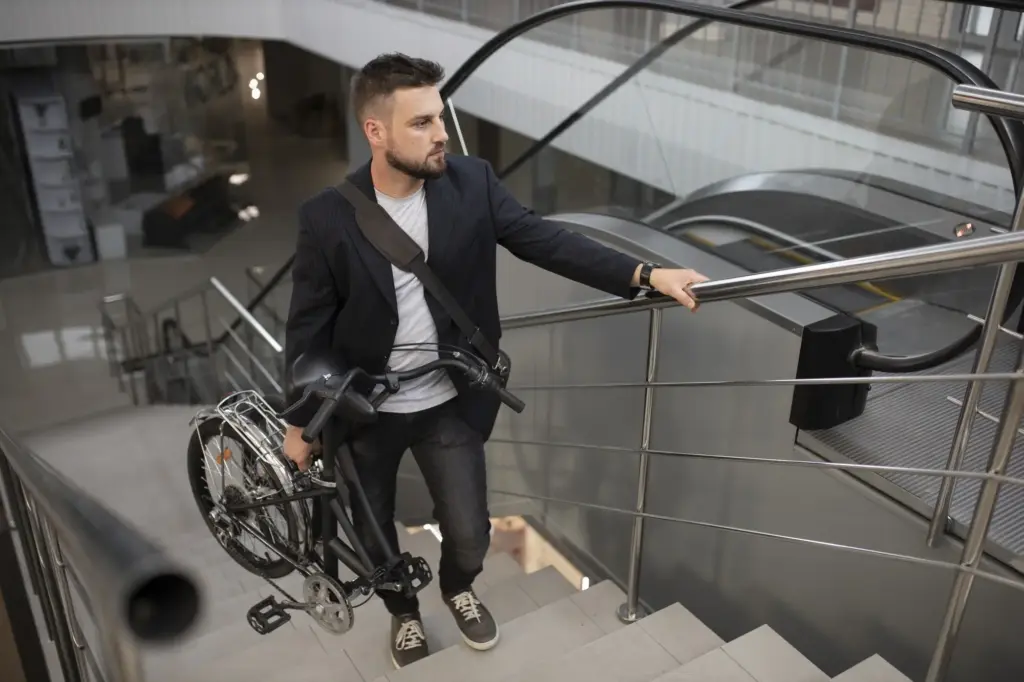
On corridors like Surrey into Waterloo or Greater Manchester into Piccadilly, combining rail with a brisk, three‑kilometre folding‑bike leg often beats buses and traffic. A nine‑minute ride can replace a twenty‑five‑minute crawl, and walking the last five hundred metres avoids junction delays entirely. You choose consistent door‑to‑desk timing, rather than gambling on congestion, signals, or parking hunts that ruin otherwise short distances and predictable timetables.
Costs That Respect Real Budgets
Pair a rail season ticket or flexible carnet with Cycle to Work savings on the bike, and monthly outgoings become clearer than a car’s blend of fuel prices, insurance, and surprise maintenance. Folding bikes need minimal storage, modest parts, and rarely require costly security measures. Split‑ticketing apps, PAYG caps, and railcards can stack further, while reliable walking legs subtract entire bus fares from repeated inner‑city hops without costing minutes when pavements flow.
Reliability Through Redundancy
When disruptions appear, multimodal choices create graceful fallbacks. A folded bike lets you reroute via another station, roll a canal towpath, or simply walk a final mile when platforms crowd. You become less vulnerable to a single timetable or lift outage, because every leg has an alternative. Even detours feel purposeful, preserving momentum, confidence, and arrival times that colleagues notice, especially on mornings when one broken signal cascades across an entire region.
Choosing and Packing the Right Folding Bike
Mastering Rail Rules, Stations, and Etiquette
Designing an End‑to‑End Commute Plan
Mapping the Smartest Legs
Clothing That Bridges Drizzle and Meetings
A Contingency Playbook for Disruptions
Real Journeys from Across the UK


Health, Climate, and Everyday Joy
Getting Started Today
A One‑Week Pilot That Proves the Point
Gear You Already Almost Own
Join the Conversation and Shape Future Guides
All Rights Reserved.